Asynt would like to say a huge thank you to Professor Steve Howdle, from Nottingham University, for joining us on our webinar “An Introduction to Working Safely with High Pressure in the Lab” on Wednesday 1st of October 2025. His years of experience working with high pressure reactors and wealth of knowledge is second to none and we are more than grateful for him giving up his time. Secondly, we’d like to thank everyone who joined us. With over 150 registrants, the webinar was a huge success and hopefully everyone who attended can be more confident now working with pressure.
Recognised expert supporting chemists using high pressure in the lab
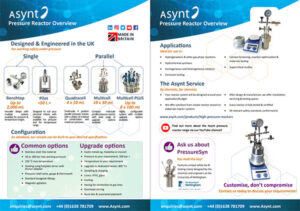
This webinar featured Asynt’s Technology Manager, Andrew Mansfield, and guest speaker Professor Steve Howdle from the University of Nottingham, discussing ways chemists working at high pressure can improve lab safety, and considerations to bear in mind when designing a pressure system.
Key content included in this free, on-demand lab safety webinar
- What can go wrong
- Straight-forward safety steps to follow
- Alternative apparatus configuration
- Expert insights and safety culture
If you weren’t able to join us, or you just want to refresh your memory, you can watch the full recording below:
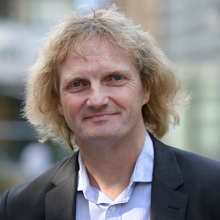
Find out more about our guest speaker
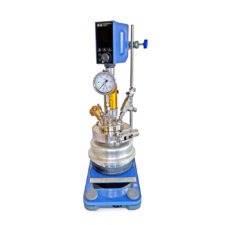
Professor Steve Howdle leads The Howdle Group at the University of Nottingham whose interests lie in the use of supercritical carbon dioxide (scCO2) as a new solvent for polymer synthesis and materials processing. He holds a first degree from Manchester and a PhD from Nottingham. Professor Steve Howdle has published over 300 peer reviewed papers and collaborates widely with industry. He was also heavily involved in the development of the PressureSyn benchtop pressure reactor designed to enable ultra safe teaching and research labs.
Further information
You can view our wide range of laboratory pressure reactor options HERE on our website. If you have any questions relating to the use of pressure reactors in the laboratory, please contact [email protected].