What is sustainable chemistry?
One of the best definitions of sustainable chemistry is the 12 principles of green chemistry. These principles were put together by Paul Anastas and John Warner in 1998 to help outline a method for making chemistry process and research greener and more sustainable. The principles are as follows:
- Prevention
- Atom economy
- Less hazardous chemical syntheses
- Designing safer chemicals
- Safer solvents and auxiliaries
- Design for energy efficiency
- Use of Renewable Feedstocks
- Reduce Derivatives
- Catalysis rather than stoichiometric reagents
- Design for Degradation
- Real-time analysis for pollution prevention
- Inherently safer chemistry for accident prevention
Asynt’s product range directly allows for several of these, potentially allowing for even more depending on your research. More on how a range of our products achieve this below.
How Asynt’s products can make your research more sustainable:
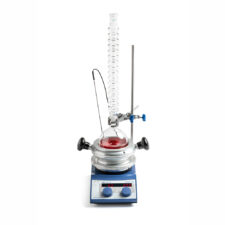
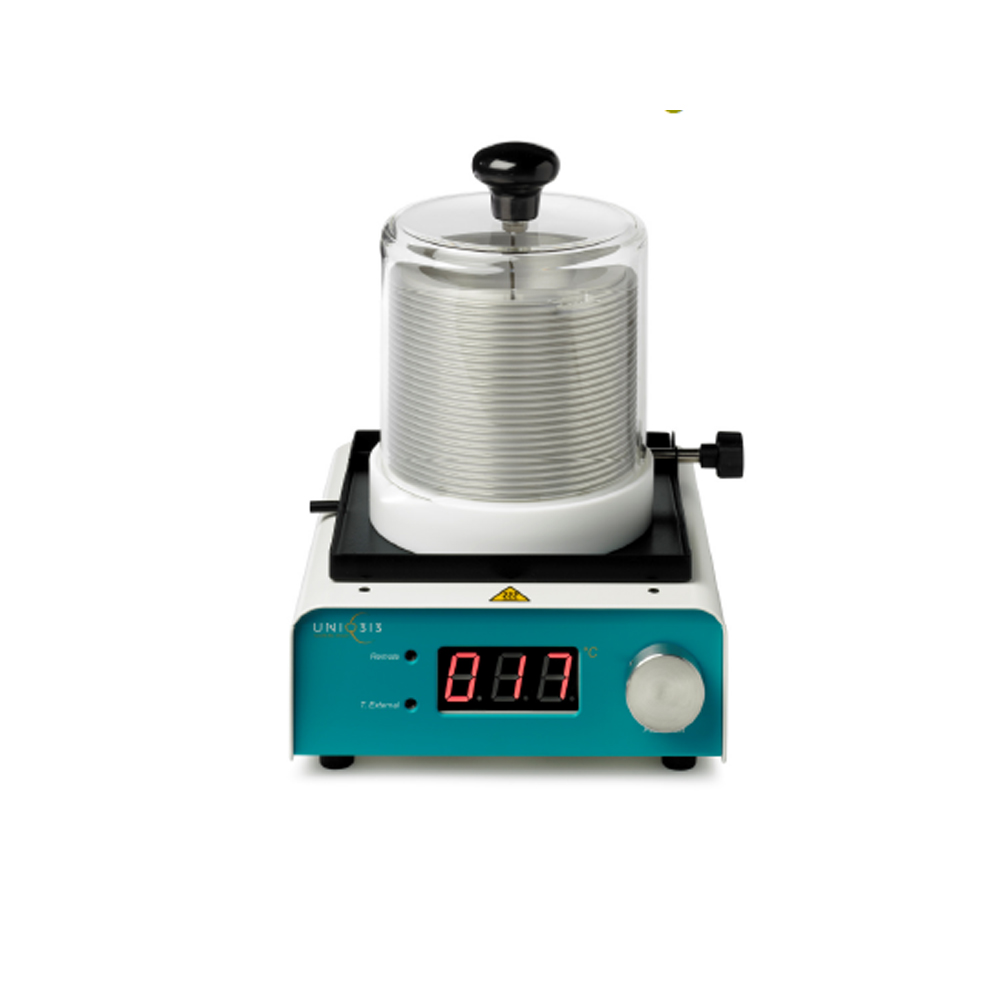
- CondenSyn – The Asynt CondenSyn waterless condenser is designed to save water and energy in the lab without compromising on efficiency and effectiveness. The CondenSyn works just as efficiently as a Liebig condenser up to around ten degrees above the boiling point of your solvent. The CondenSyn also features a robust design as it’s constructed from a single piece of glass. It uses ‘baffles’ to disrupt the flow of rising vapour, slowing it and inducing turbulent flow, increasing surface area contact and thus heat transfer.

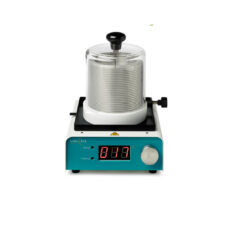
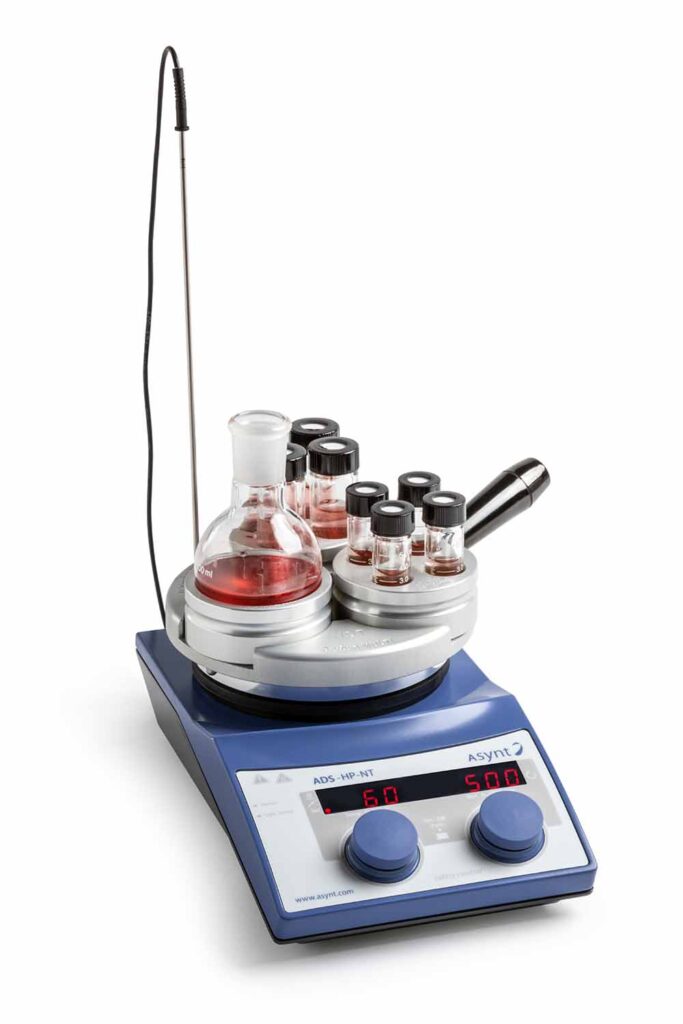
- DrySyn – Our DrySyn range of heating block provide precise heating for round bottom flasks, reaction vials and NMR tubes without the need for oil baths. This makes them safer, more sustainable, and more user friendly. The DrySyn blocks are milled from single billets of aluminium allowing for excellent heat transfer from our magnetic stirrer hotplates into your reactions.
- Photoreactors – Our range of photoreactors, both batch and flow, enable sustainable chemistry. Photoreactions generally require less energy than standard synthesis as they can be run at a lower temperature. They also have the potential to enable synthesis with more sustainable catalysts. By using our parallel reactors for screening you can further optimise your chemistry, further boosting overall efficiency.

- Flow reactors – Flow chemistry is in many ways ideal for enhancing sustainability in the lab. It is safer, due to smaller volumes of reactant being used at any one time; more easily optimised with continuous flow being precisely controlled; and it also allows for superior overall atom economy, especially once you’ve optimised your process. Flow also increases the efficiency of photochemistry, with capillaries and chip reactions allowing for higher photon penetration.
How we’re making our own practices more sustainable:
- ISO 14001 – Asynt is ISO 14001 certified, which means that environmental considerations are considered within the context of our business processes. You can find more information on this here:
- Recyclable packaging – We also aim to use recyclable or biodegradable packaging wherever possible, with all of our DrySyn and CondenSyn range coming packed in customer made, secure, cardboard boxes.
Conclusion:
Sustainability is a core focus for Asynt and is considered when it comes to both our product designs and business practices. Along with the intrinsic sustainability benefits of some of our products (e.g. the CondenSyn waterless condensers), our range of lab tools also have the potential to enable sustainable research in your lab. We provide many companies researching recycling and similar practices; you can find out more about this here.
If you’d like any further information, please don’t hesitate to get in touch. We will be very happy to answer any questions you may have. You can call us on 01638781709, email us at [email protected], or message us via the live chat in the bottom right-hand corner.