The chemistry of roast potatoes
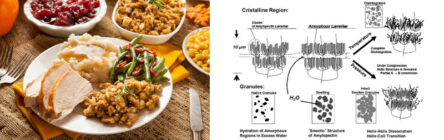
As far as my family are concerned, the crowning glory of any Christmas dinner is the mighty roast potato but how does the chemistry of this festive star affect the outcome of your feast?

The DrySyn MiniSpin was designed to allow for powerful overhead stirring of reaction vials. You can run up to three MiniSpins on a single hotplate allowing for a total of twelve reactions in parallel.
At Thanksgiving – when creamy mash is non-negotiable – understanding the chemistry of mashed potatoes helps explain why chefs insist on warming your dairy before adding it.
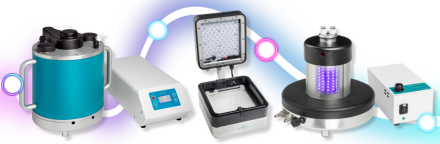
Photochemistry has consistently grown as a field of research across the last couple of decades, opening new avenues of synthetic catalysis. Asynt are keen to support chemists in this expanding area of research by providing precise photochemical tools, but why not just make your own?
Flow chemistry and photochemistry are both growing areas of research. Both processes opening new novel synthetic routes.
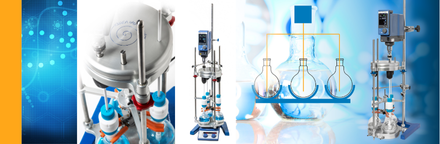
Batch and flow represent two crucial, but disparate, chemical processes. Each has its own set of benefits depending on the requirements of your laboratory. In this blog I’ll run through some of the differences between them, and advantages of each, and highlight some of their shared strengths.
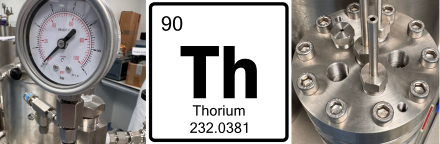
A molten salt reactor (MSR) is a nuclear reactor that uses molten salt as the primary reactor coolant. The coolant is either mixed with the molten fissile salt or surrounds the fuel rods
The Maillard Reaction works hard over the 4th July holiday weekend. Will you be firing up your BBQ? If so, you’ll want to know all about it!
Chemical reactions are generally activated by heat or chemical reagents. Recent developments in laboratory equipment have allowed lesser methods to become more accessible: methods such as electrochemistry and photochemistry. Photoreactors use light as a catalyst allowing for reagentless (also known as traceless) chemistry.
The DrySyn Vortex system is an innovative laboratory tool designed for powerful, parallel overhead stirring of viscous materials in round bottom flasks