Professor Mathias O. Senge’s research group at Trinity College Dublin focuses on the synthesis and application of porphyrins, an important class of macrocyclic compounds widely used across biomedical, materials and photochemical sciences.
Porphyrins have long attracted interest due to their unique photophysical and chemical
properties. However, many of the most widely used synthetic routes rely on traditional batch processes that require either significant volumes of chlorinated solvents or harsh reaction conditions involving elevated temperatures and strong acids.
As sustainability becomes an increasingly important consideration within chemical research, the group sought to develop a safer and more environmentally responsible approach to porphyrin synthesis whilst maintaining the flexibility required for the preparation of diverse compound libraries.
 Developing a More Sustainable Process
In 2023, Dr Karolina Urbańska and PhD researcher Liam Cribbin identified continuous
processing as a potential route towards reducing the environmental impact of porphyrin
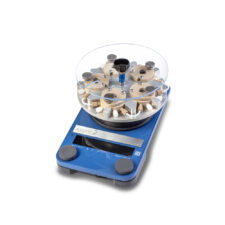
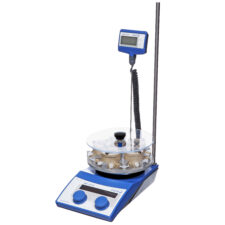
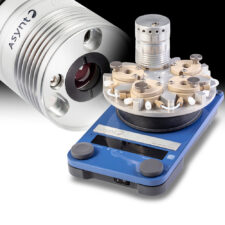
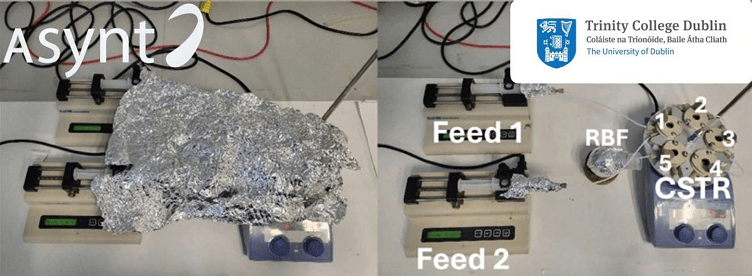
synthesis. Supported by funding from the Royal Society of Chemistry Sustainable Laboratories Grant Scheme and under the supervision of Professor Mathias O. Senge, the group implemented an Asynt fReactor Continuous Stirred Tank Reactor (CSTR) platform within their workflow.
Over approximately eighteen months of development, optimisation and evaluation, the team successfully established a new continuous methodology for porphyrin synthesis.
The resulting process delivered substantial sustainability benefits, including a 90% reduction in chlorinated solvent consumption across the preparation of a large library of porphyrin derivatives. Waste generation was significantly reduced and environmental performance improved considerably when compared with conventional Lindsey batch methodology.
The full details of the work are described in a recent publication accepted for publication in RSC Sustainability here.
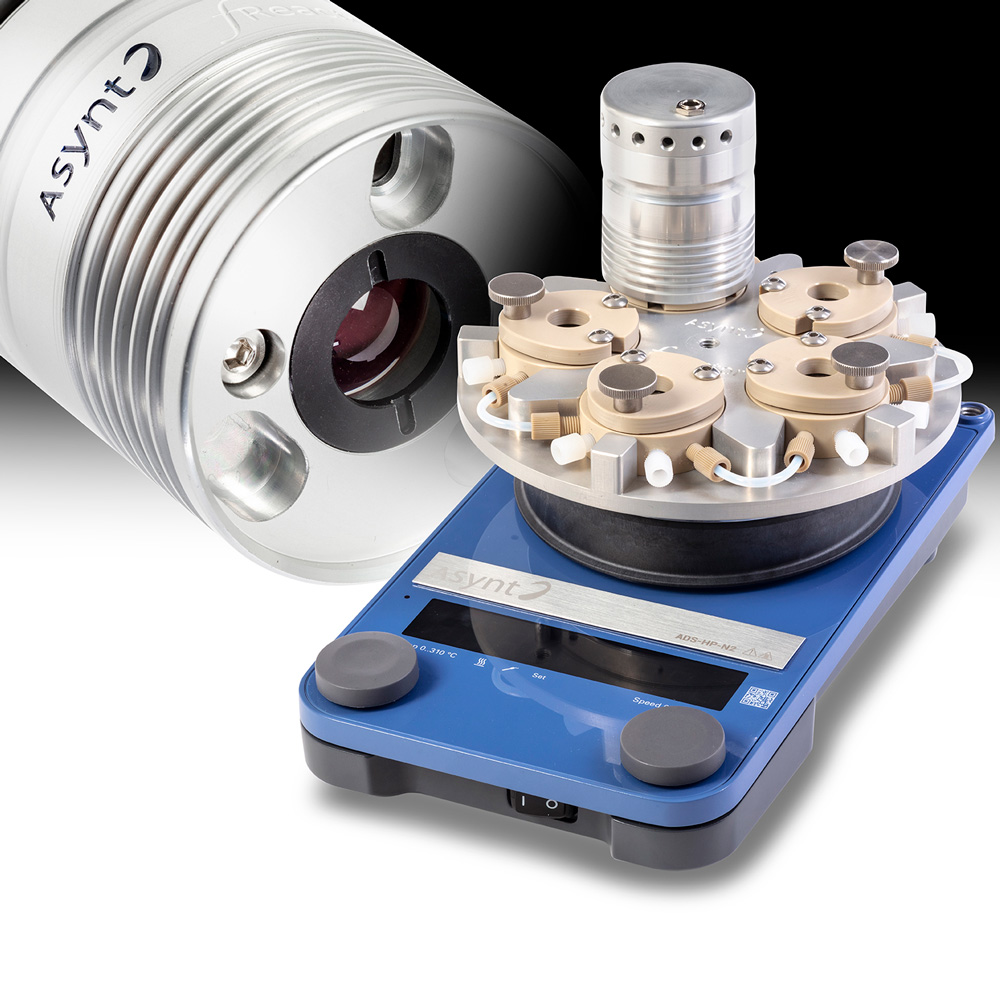 fReactor also accommodates up to 5 PhotoFLOW modules for flow-photochemistry
Beyond Process Improvement
Whilst the initial objective was to develop a more sustainable synthetic methodology, the impact of the project extended well beyond the chemistry itself.
Today, the fReactor has largely replaced the traditional three-necked flask as the preferred platform for porphyrin synthesis within the group. The system has enabled safer, more controlled reaction processing whilst supporting the group’s wider sustainability ambitions.
According to Liam Cribbin:
The Asynt fReactor has become a valuable tool in our laboratory. Not only has it enabled the development of a significantly more sustainable approach to porphyrin synthesis, it has also encouraged a broader shift in thinking around sustainable chemistry and laboratory practice.
The success of the project contributed to a wider cultural change within the laboratory, with researchers actively seeking opportunities to adopt greener technologies and more
sustainable workflows.
This commitment to sustainability was recently recognised through the award of a
Sustainability and Leadership Award and the achievement of Platinum Green Lab Certification.
Conclusion
The implementation of the Asynt fReactor enabled the Trinity College Dublin team to develop a more sustainable route to porphyrin synthesis whilst significantly reducing chlorinated solvent use and waste generation.
Beyond the scientific outcomes, the project demonstrates how accessible flow chemistry technologies can support both research innovation and broader sustainability goals. By combining improved environmental performance with practical laboratory benefits, the fReactor has become an integral part of the group’s synthetic chemistry programme and continues to support its commitment to greener chemical research.