The Lennox Lab are interested in fundamental reactivity and mechanism in organic chemistry, and how these insights can be used to create novel synthetic organic methods with sustainability and green chemistry as core drivers. Within this vein they are focussed on the use of electrochemistry as a tool for performing selective redox transformations, as it provides specific advantages over conventional redox reagents in terms of selectivity, scalability, safety and sustainability. The Lennox Lab are very interested in organofluorine compounds, which are widely used in many important applications, including pharmaceuticals, agriculture, batteries and liquid crystals. For example, fluorine is used to modulate the function of pharmaceuticals as it can help to tune absorption, distribution, metabolism, and excretion (ADME) features of a drug. It can also productively influence conformation, pKa, intrinsic potency, membrane permeability, and metabolic stability. As organofluorine compounds are rare in nature, significant research attention is focussed on the regio and stereoselective incorporation of fluorine into complex organic molecules, and the creation of new fluorinated building blocks using electrochemistry.
We asked some questions to one member of the group to learn more about how they were using the Asynt ElectroReact.
What is your role, and what are your lab’s research goals?
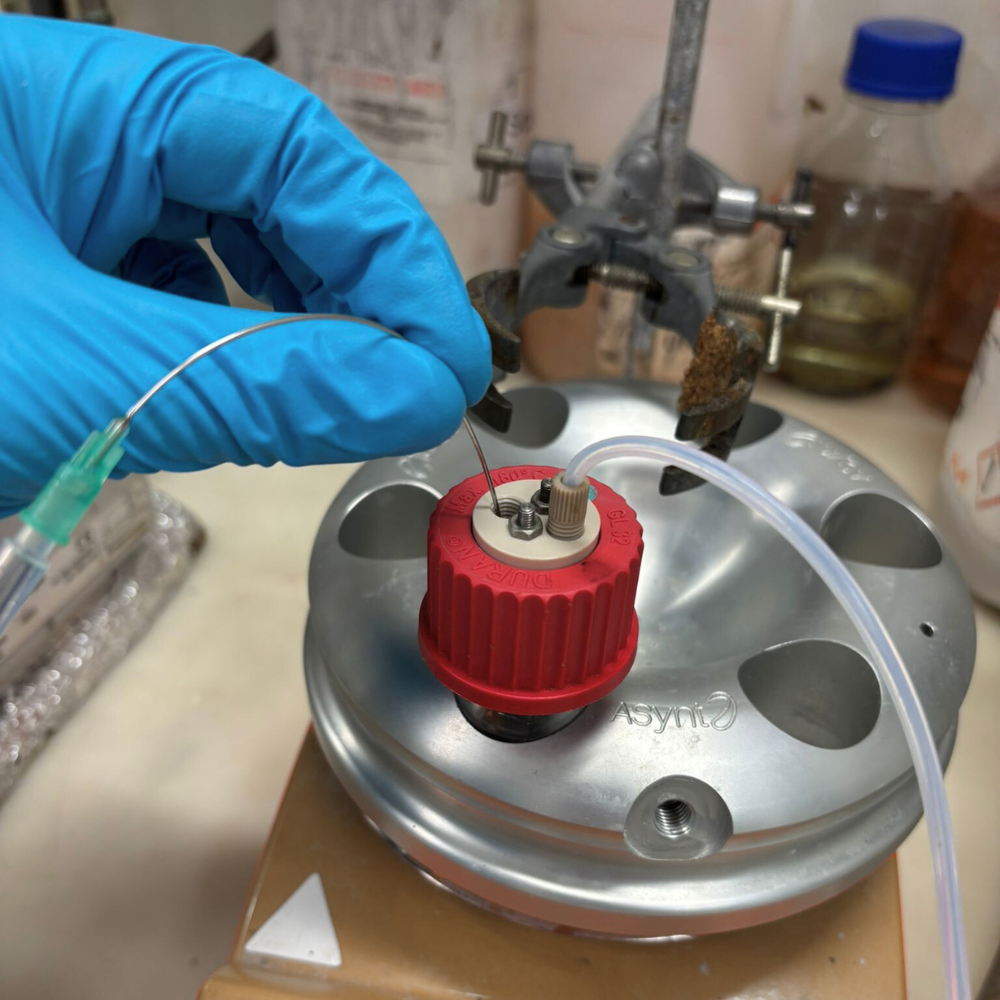
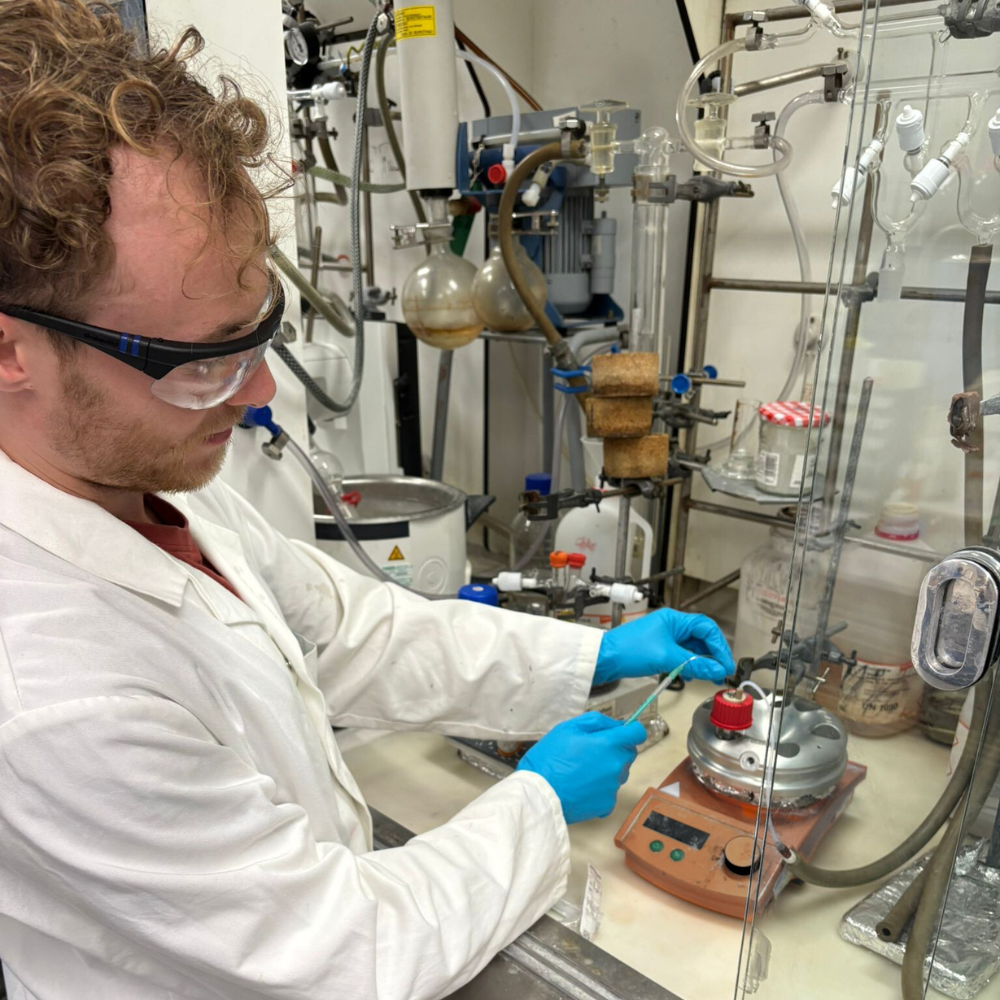
I am a PhD student within the Lennox Lab. The lab’s goals are to develop robust and useful synthetic organic electrochemical catalysis methods, and use physical organic chemistry tools to interrogate their reaction mechanisms.
What are the main types of chemistry
you perform?
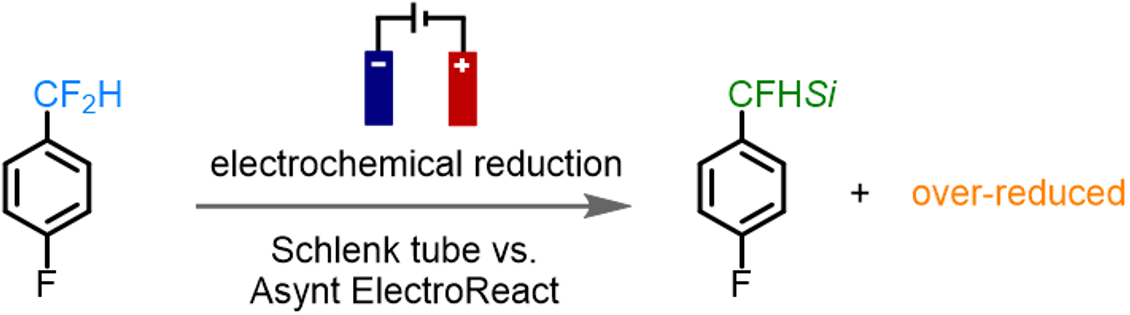
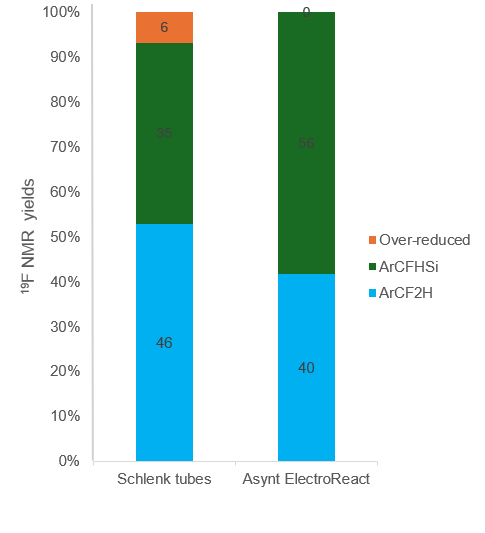
I perform electrochemical defluorination of trifluoromethylarenes to synthesise difluoro-, or monofluoromethylarenes.
What were you using prior to the ElectroReact?
Schlenk tubes with a 3D-printed stopper made from PPE plastic.
Why was the ElectroReact of interest for your research?
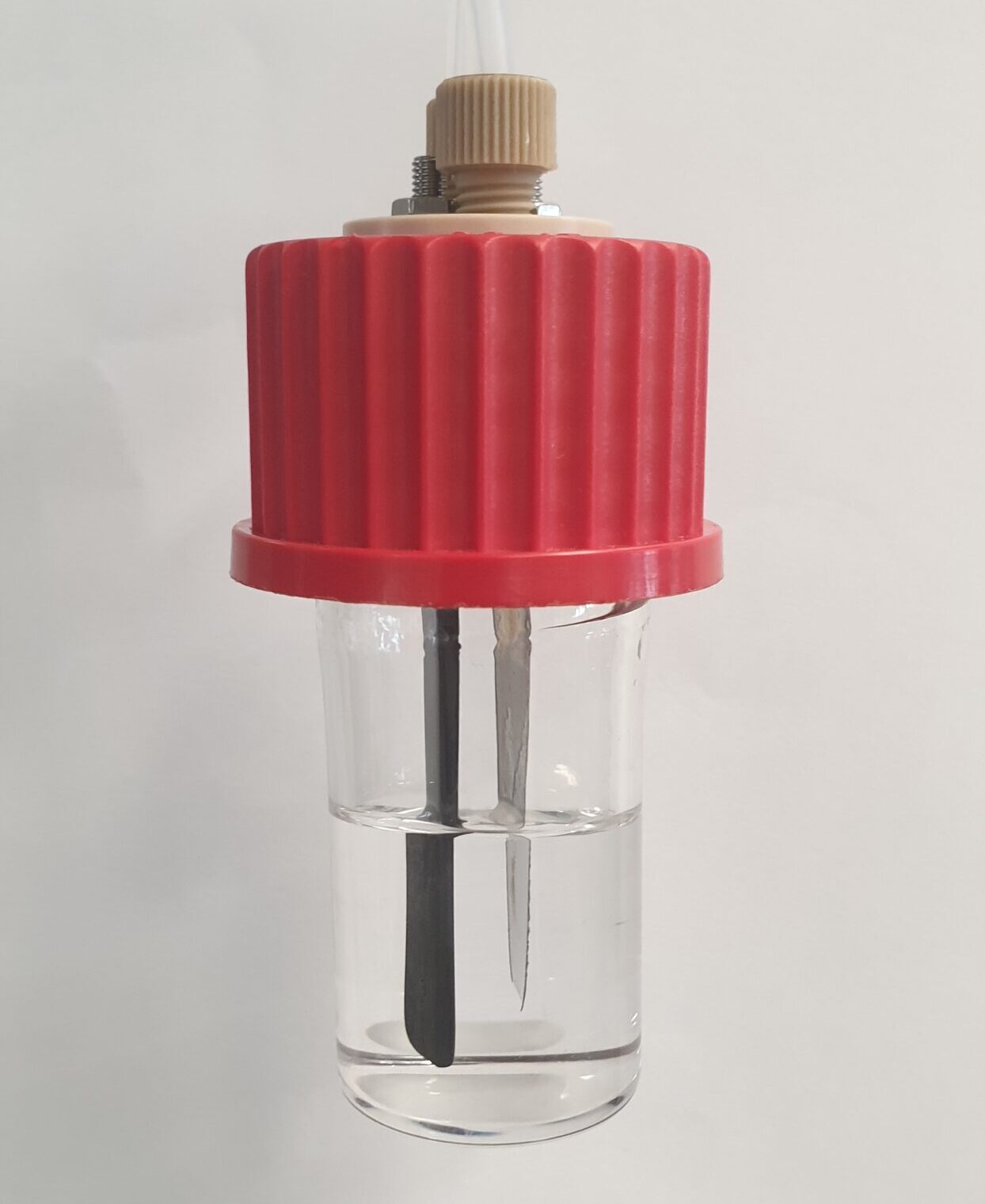
It interested me because it has the capability to fix many factors for electrochemical reactions, such as electrode distance and electrode immersion. This is to help with the reproducibility of the results that I’ve been getting.
What was your experience of using the ElectroReact?
Once I figured out a suitable workflow and still learnt how to use the set up for the reactions I do, it has become natural for me.
Was sampling/inerting of importance for your application?
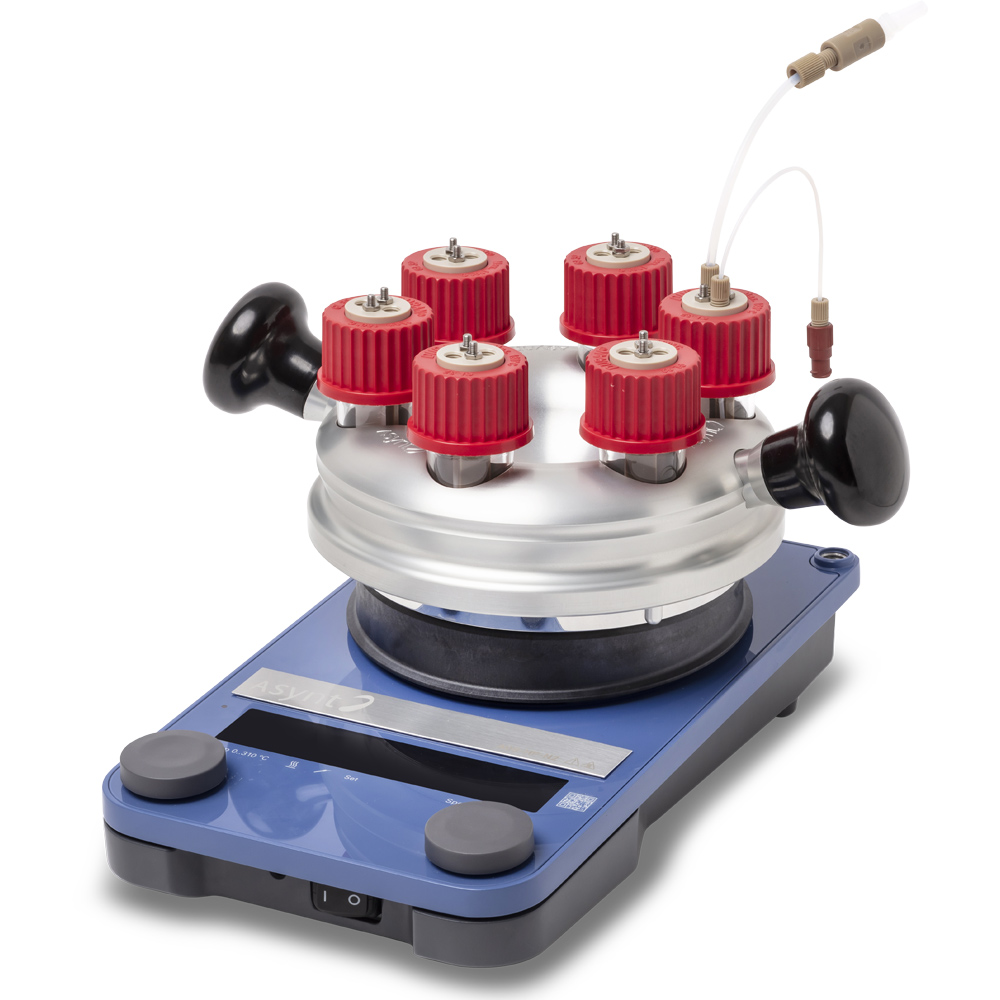
Yes, and the ElectroReact reactors are quite easy to take aliquots from, and also to bring under inert atmosphere with the connectors and ferrules, etc.
Which electrodes did you use with the ElectroReact?
I used graphite electrodes from a previous electro reactor, and other electrode materials as well (e.g. nickel foil)
What power supply/potentiostat were you using with the ElectroReact?
I used the Aim TTi PLH250 DC 250V 0.375A Power Supply, and a MultiPalmsens 4 for potentiostatic conditions.
What was your experience of reporting experiments conducted with the ElectroReact?
Although I haven’t published any papers using this setup yet, I imagine reporting experiments with the ElectroReact will be fairly easy, as the electrode distance and immersion can be measured and reported accordingly.
Conclusion:
Many thanks to the Lennox group for sharing their research with us for this article. If you’d like to learn more about Asynt’s range of Electrochemistry tools, don’t hesitate to get in touch. You can email us at [email protected], call 01638 781709 or message us via the Live Chat in the bottom righthand corner. We’ll be happy to answer any questions you may have.